Homes in Deal, NJ are often designed to take advantage of natural light, open living spaces, large windows, and carefully planned interiors. While these architectural features can make a home feel bright and inviting, they can also create challenges when it comes to privacy, glare, heat, and managing lighting throughout the day.
Motorized shades and automated lighting control provide a more convenient way to manage both natural and artificial light throughout the home.
When the two systems are designed to work together, homeowners can adjust the atmosphere of an entire room, or the entire house with a single command.
Why Consider Motorized Shades?
Traditional window treatments require homeowners to adjust each shade individually. That may be manageable for a few windows, but it becomes less practical in homes with large windows, multiple living spaces, tall ceilings, or hard-to-reach glass.
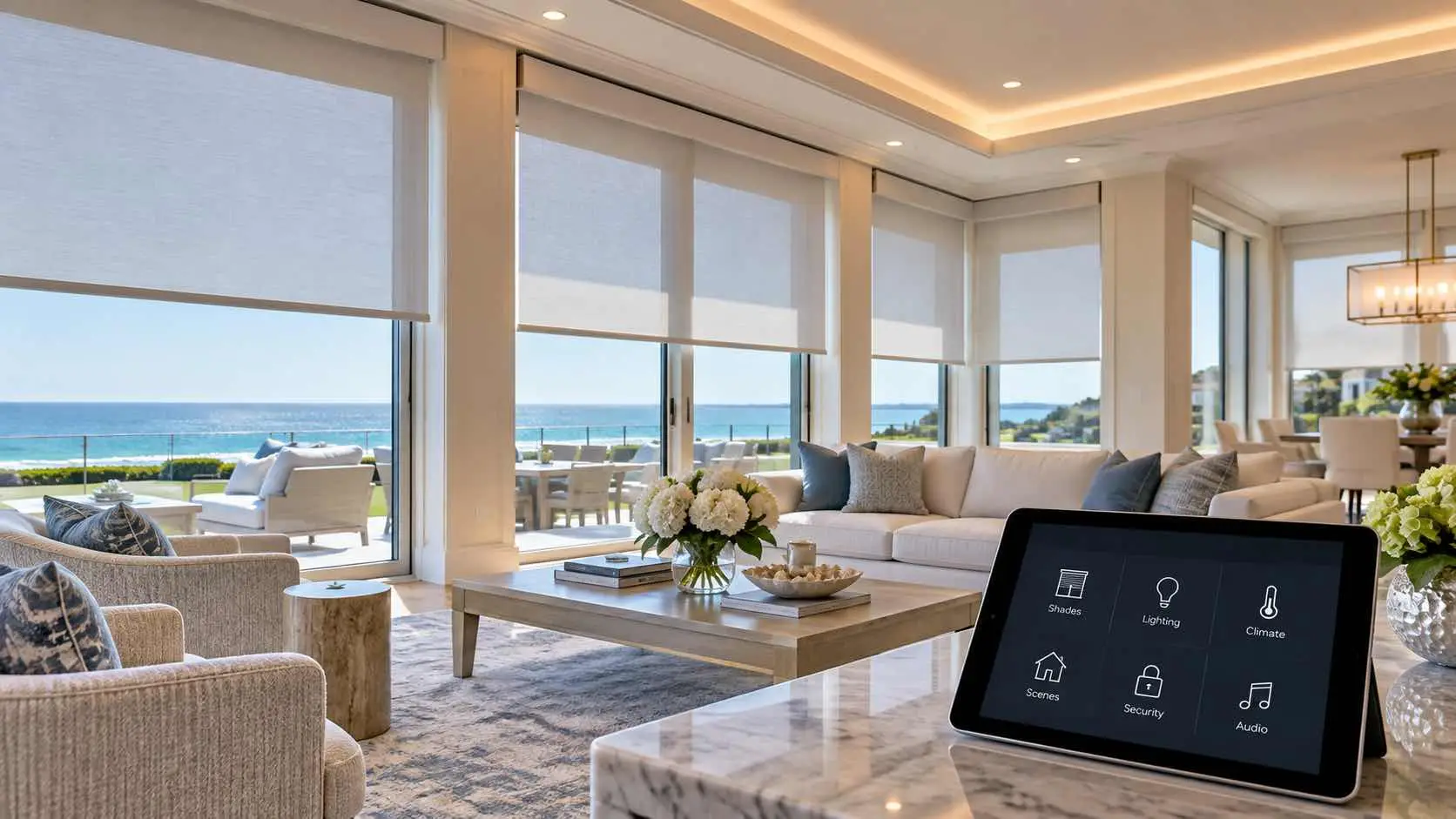
Motorized shades provide centralized control from wall keypads, touchscreens, remotes, mobile devices, or a home automation system.
Instead of walking from window to window, homeowners can raise or lower multiple shades simultaneously.
They can also be programmed to operate automatically at certain times of day.
Manage Natural Light Throughout the Day
Natural light can dramatically change the appearance of a room, but the amount of sunlight entering a home changes throughout the day.
Morning sunlight may be welcome in a kitchen or breakfast area, while strong afternoon sun can create glare in a family room or entertainment space.
Motorized shades allow homeowners to manage those changing conditions more easily.
Depending on the system, shades can be programmed around schedules or incorporated into scenes that adjust several areas of the home at once.
Add Greater Privacy
Privacy is another important consideration, particularly in rooms with large windows or extensive glass.
Automated shades make it easy to transition from an open daytime environment to a more private setting in the evening.
For example, an evening scene could lower selected shades throughout the home while simultaneously adjusting interior lighting.
Rather than closing every window treatment individually, the entire process can happen with a single command.
Simplify Lighting Throughout the Home
Lighting control takes a similar approach to the home’s artificial lighting.
Instead of relying solely on individual switches and dimmers, a centralized lighting system can give homeowners control over multiple fixtures and rooms from simplified keypads or an automation interface.
Lighting scenes can be created around everyday activities such as:
- Entertaining
- Dining
- Relaxing
- Watching a movie
- Arriving home
- Going to bed
- Leaving the house
A single button can adjust several lighting zones to predetermined levels, creating the desired atmosphere without requiring multiple switches to be adjusted individually.
Bring Shades and Lighting Together
The real advantage comes when motorized shades and lighting control are integrated.
Natural and artificial light can then work together rather than operating as completely separate systems.
During the day, shades can be positioned to make better use of available daylight while interior lighting is adjusted accordingly. As evening approaches, shades can lower for privacy while interior lighting transitions to warmer, more comfortable levels.
Homeowners can also create customized scenes for specific situations.
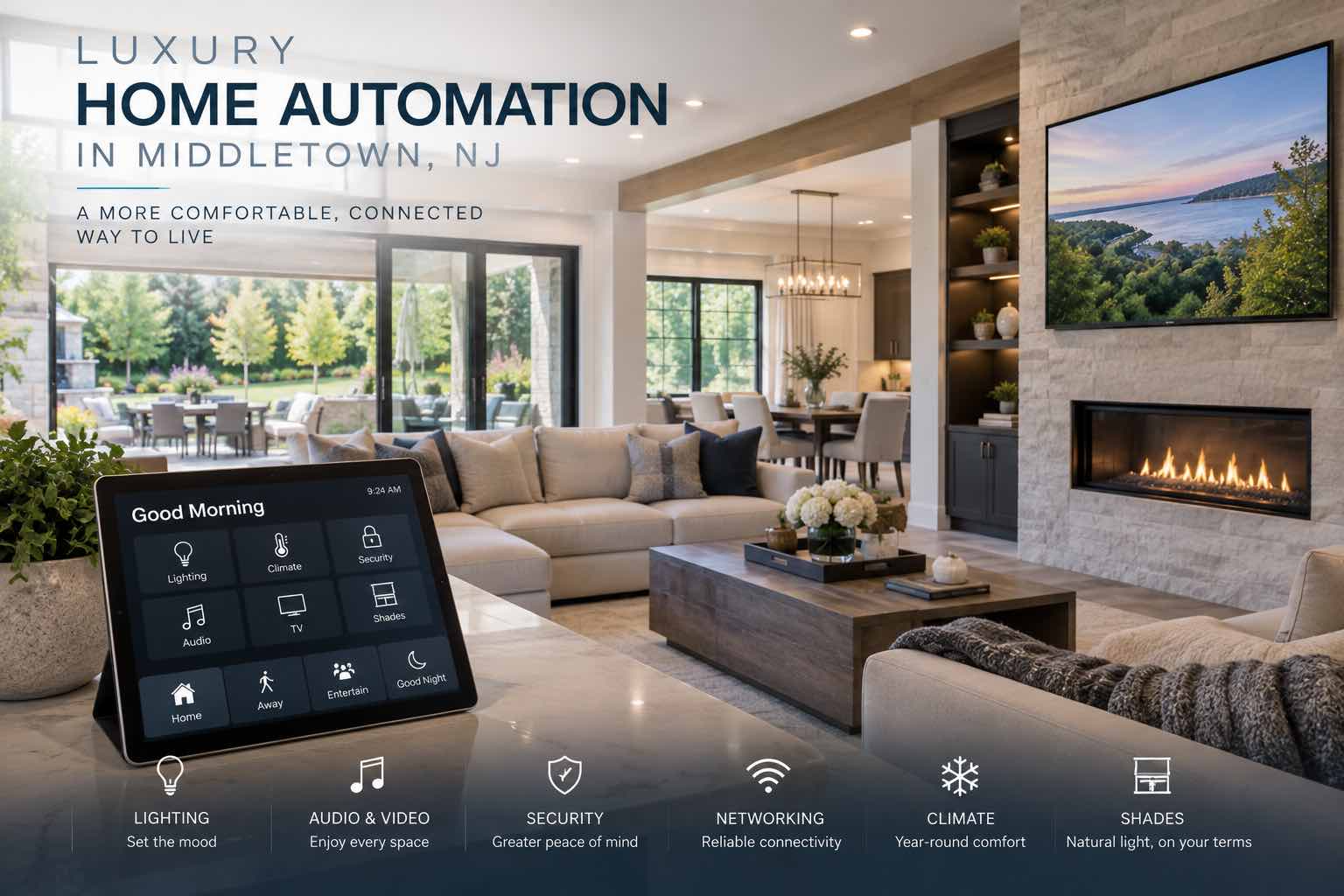
An Entertain scene might adjust shades, brighten key areas, and create softer accent lighting.
A Movie scene could lower shades and dim the lights in an entertainment area.
A Good Night scene could turn off selected lights and lower shades throughout the home.
The goal is not simply to automate individual devices. It is to make the home easier and more intuitive to use.
Keep the Technology Discreet
In a carefully designed home, technology should complement the architecture and interior design rather than compete with it.
Motorized shades can often be incorporated into recessed pockets or designed to blend naturally with window openings. Lighting control can reduce the need for large banks of switches by replacing them with cleaner, simplified keypads.
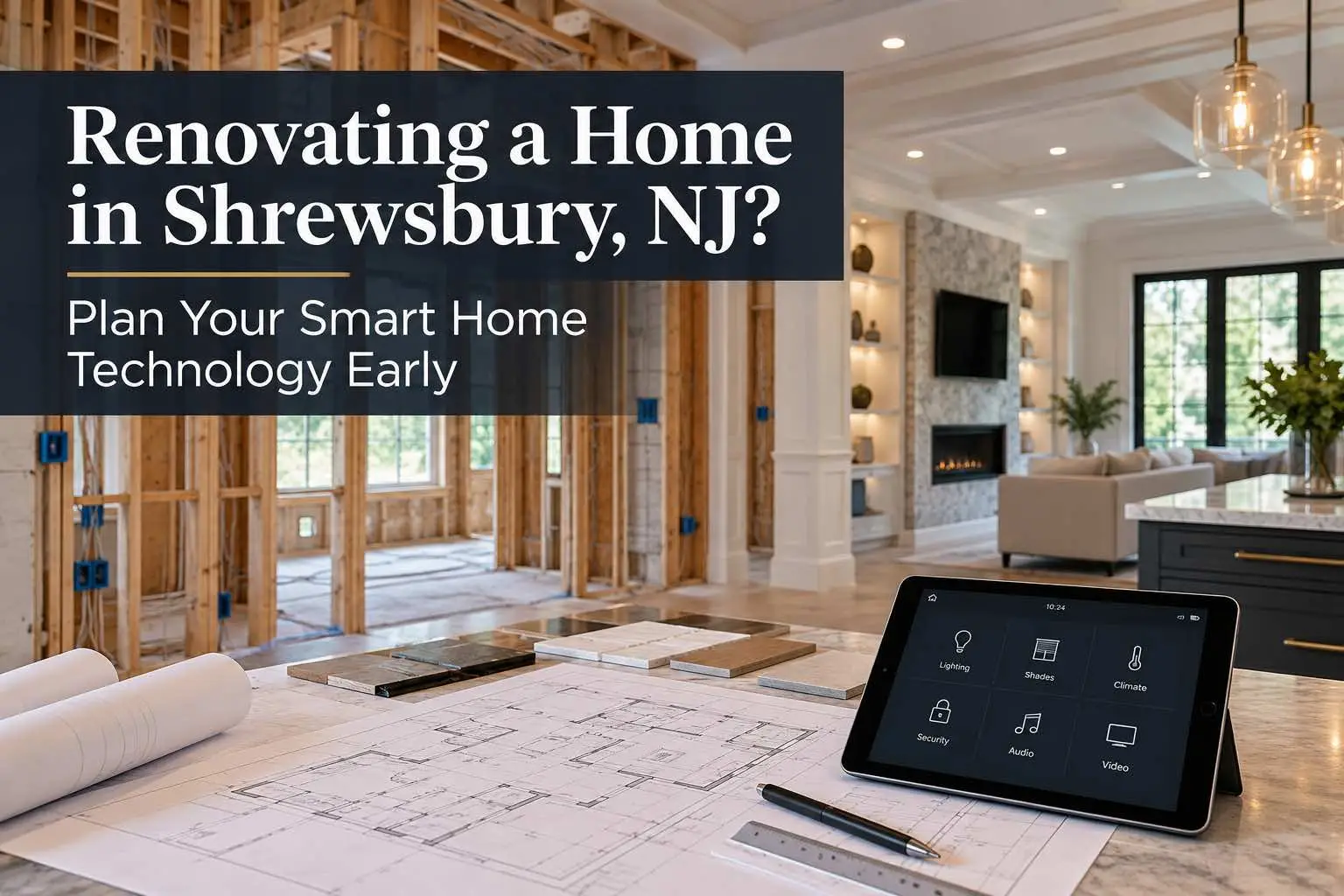
When these systems are planned during new construction or a major renovation, wiring, shade pockets, keypads, and other components can be coordinated with the architect, builder, electrician, and interior designer.
The result is a cleaner finished appearance.
Plan Early for New Construction and Renovations
If you’re building or renovating a home in Deal, it is worth considering motorized shades and lighting control early in the project.
Shade power, window dimensions, electrical requirements, keypad locations, lighting loads, and automation equipment can all influence the design.
Planning these details before walls and ceilings are finished can provide greater flexibility and help avoid unnecessary modifications later.
Motorized Shades and Lighting Control in Deal, NJ
GMI Automation designs integrated technology systems for luxury homes throughout Monmouth County, including Deal, NJ.
From motorized shades and automated lighting to home automation, audio/video, networking, security, and entertainment systems, GMI Automation can coordinate the technology so individual systems work together as part of a complete home environment.
If you’re building, renovating, or upgrading a home in Deal, NJ, contact GMI Automation to discuss motorized shades, lighting control, and other smart home technology options.