Smart home technology has become increasingly accessible, with products that allow homeowners to control lighting, thermostats, security cameras, speakers, and other devices directly from their smartphones. While these do-it-yourself solutions can provide convenient functionality, there is a significant difference between installing individual smart devices and designing a professionally integrated home automation system.
For homeowners looking to create a sophisticated, fully connected living environment, understanding the differences between DIY and professional home automation can help determine which approach is best suited to their property, lifestyle, and long-term technology needs.
What Is DIY Home Automation?
DIY home automation typically involves purchasing and installing individual smart home products without the assistance of a professional technology integrator.
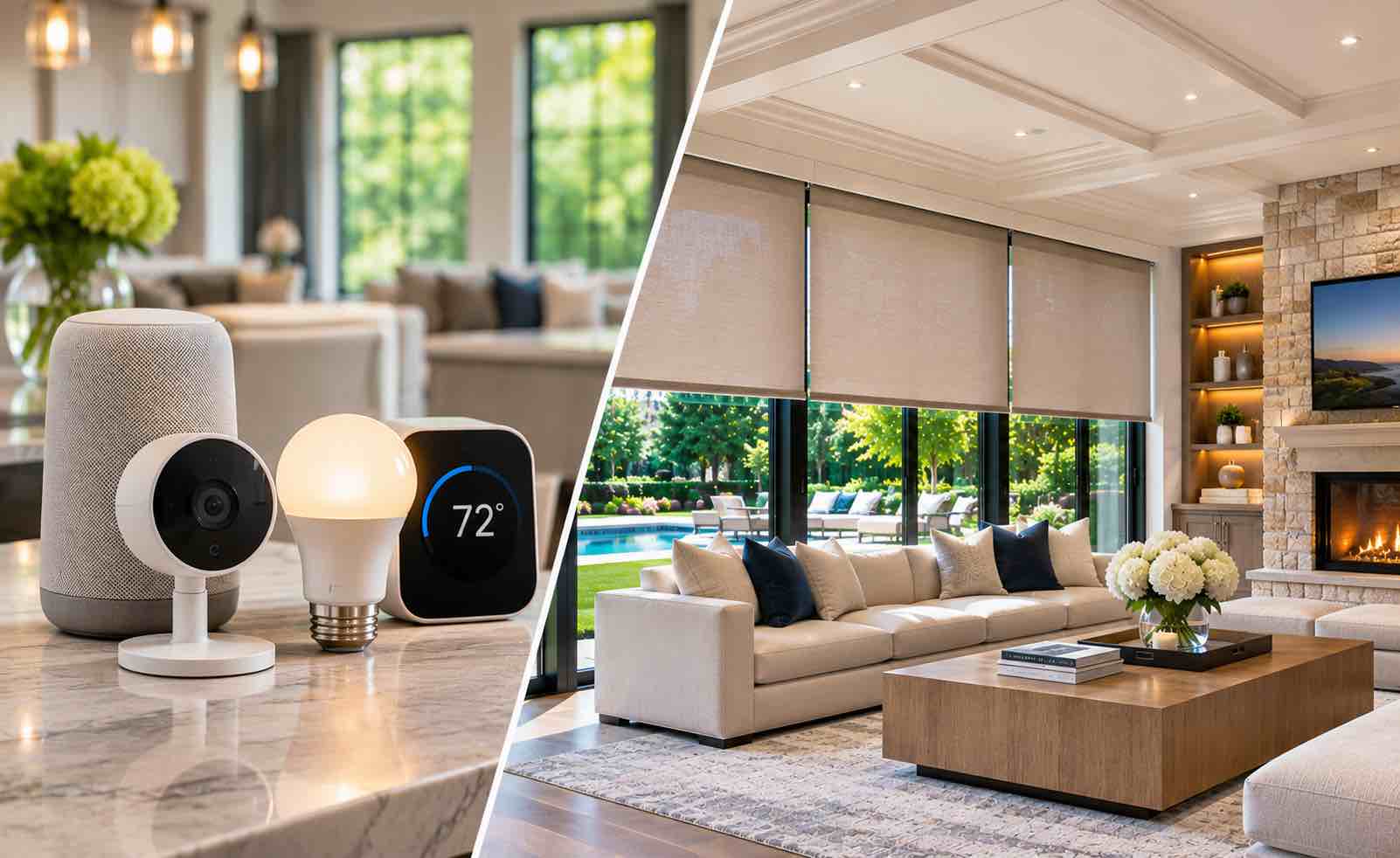
These products may include smart light bulbs, wireless cameras, video doorbells, smart thermostats, wireless speakers, smart plugs, and automated window treatments.
Many of these devices are designed for relatively simple installation and can be controlled through manufacturer-specific mobile applications or compatible smart home platforms.
For homeowners looking to automate a few basic functions, DIY products can provide an affordable and convenient starting point.
However, as the number of connected devices increases, managing the technology can become more complicated.
What Is Professional Home Automation?
Professional home automation takes a comprehensive approach to the technology throughout your home.
Rather than selecting individual products independently, a professional home automation integrator designs a system around your property’s architecture, infrastructure, lifestyle, and future technology requirements.
A professionally integrated system can incorporate:
- Whole house lighting control
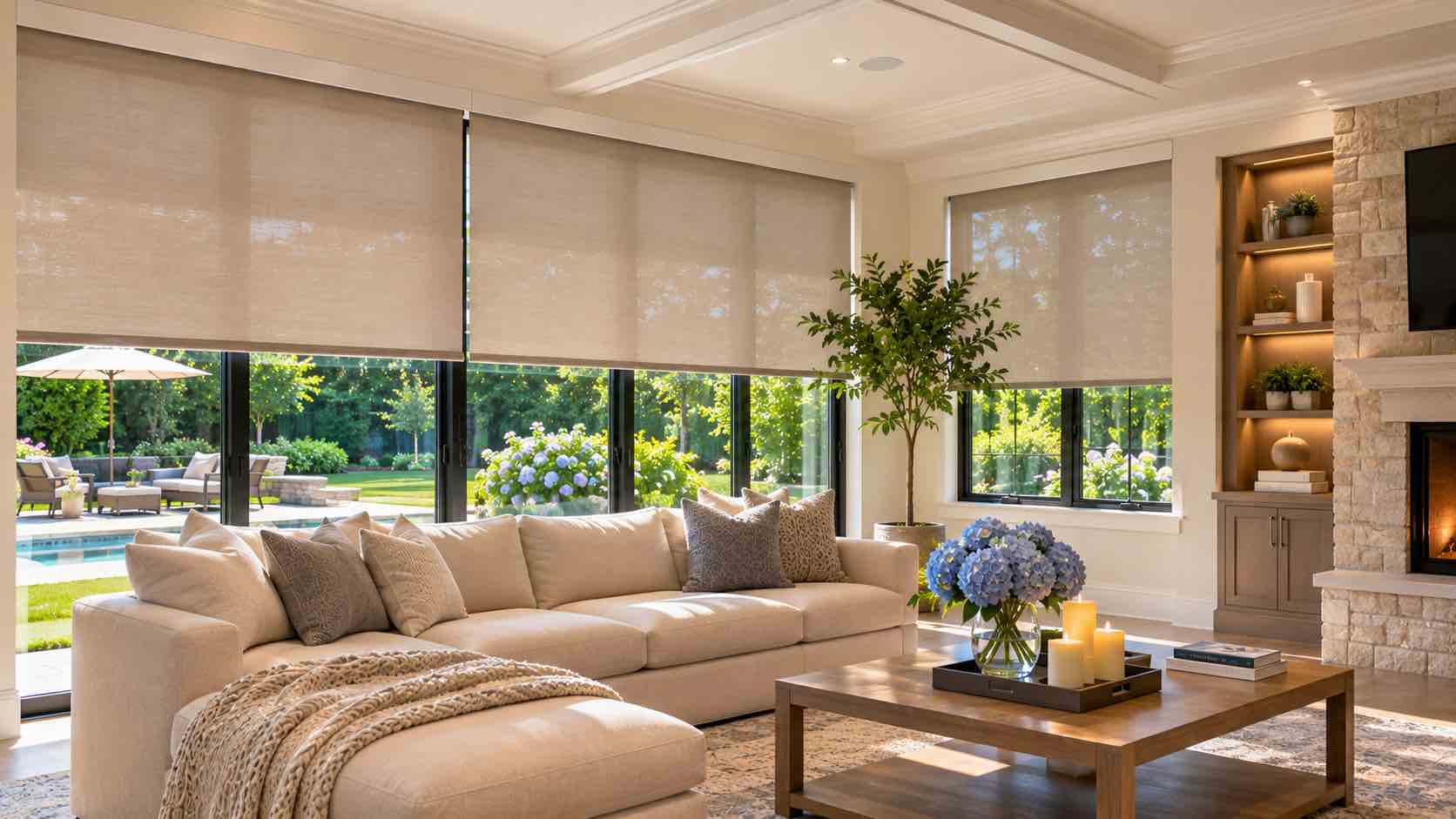
- Motorized shades and window treatments
- Whole home audio and video
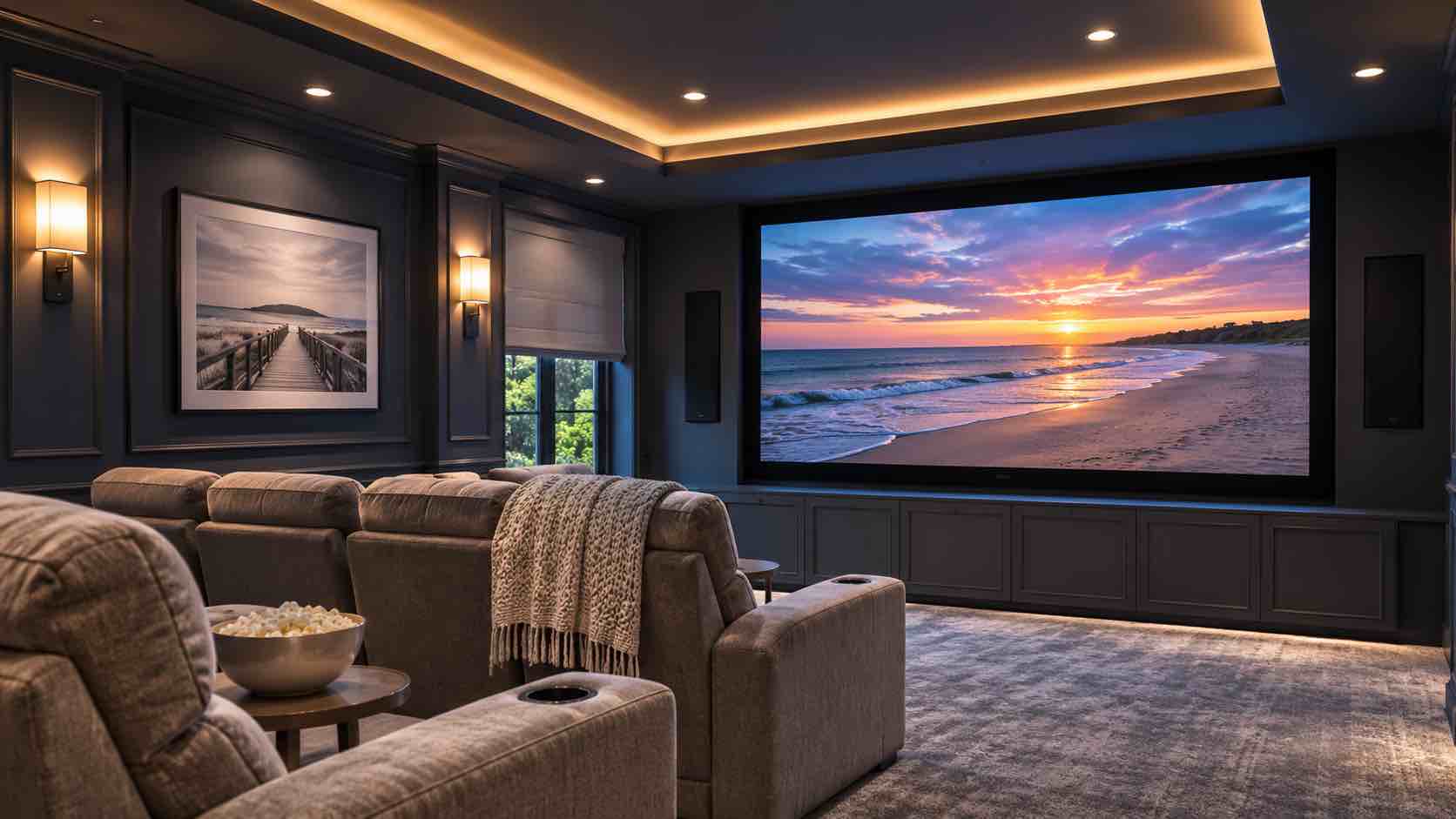
- Custom home theaters and media rooms
- Climate control
- Security cameras and access control
- Enterprise-grade networking and enhanced WiFi
- Outdoor audio and video
- Recreational and entertainment technology
- Customized automation scenes
The objective is to create a unified technology environment that is reliable, intuitive, and easy to operate.
Individual Smart Devices vs. Integrated Technology
One of the biggest differences between DIY and professional home automation is how the technology works together.
With DIY automation, homeowners may purchase products from several manufacturers. Each product may have its own application, settings, connectivity requirements, and limitations.
While some devices can communicate through common smart home platforms, compatibility and functionality can vary.
Professional home automation focuses on selecting compatible technologies and integrating them into a centralized control system.
Instead of opening several applications to adjust lighting, lower shades, change the temperature, and turn on your entertainment system, you can manage these functions through a consistent interface.
Comparing DIY and Professional Home Automation
| Feature | DIY Home Automation | Professional Home Automation |
|---|---|---|
| System design | Homeowner-selected devices | Customized technology plan |
| Installation | Typically self-installed | Professionally installed and configured |
| Control | Individual apps or compatible platforms | Centralized control experience |
| Networking | Often relies on existing WiFi | Professionally designed network infrastructure |
| Customization | Limited by product capabilities | Customized around homeowner requirements |
| Scalability | Dependent on device compatibility | Planned for future expansion |
| Interior design | Equipment may remain visible | Technology integrated into the architecture |
| Technical support | Homeowner and manufacturer support | Professional service and support options |
| Initial investment | Generally lower | Generally higher, depending on scope |
A More Sophisticated Approach to Lighting Control
DIY lighting automation often involves replacing individual bulbs, switches, or plugs with smart products.
While this can work well in a few rooms, managing lighting throughout a large luxury home requires more comprehensive planning.
Professional whole house lighting control can incorporate architectural keypads, centralized lighting systems, dimming, schedules, and customized lighting scenes.
Lighting can also work alongside motorized shades, entertainment systems, and climate control to create a more comfortable and visually appealing environment.
Create Customized Automation Scenes
Professional home automation allows multiple compatible systems to work together based on how you use your home.
Rather than adjusting each device individually, customized scenes can coordinate several functions simultaneously.
Movie Night
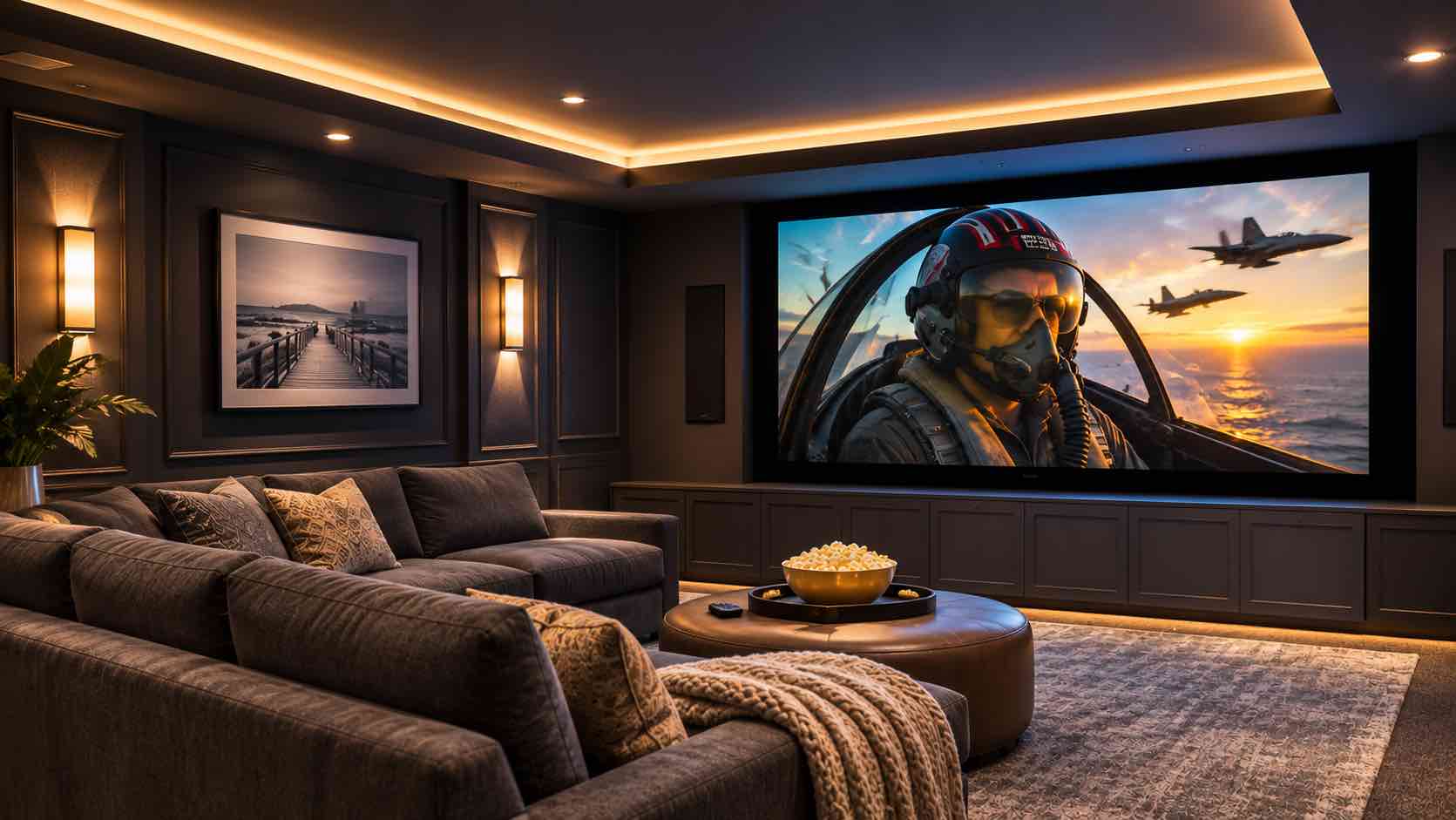
With a single command, your home theater can turn on, the lighting can dim, motorized shades can close, and the entertainment system can prepare for viewing.
Entertain
Music can begin playing throughout selected rooms, lighting can adjust, and outdoor entertainment areas can transition into their preferred settings.
Good Night
Selected lights can turn off, shades can close, entertainment equipment can power down, and climate settings can adjust.
Away
Your home can transition into predetermined lighting, climate, shading, and security settings when you leave.
Although DIY platforms can also support automation routines, professional integration provides greater opportunities for customization across compatible residential systems.
Networking and System Reliability
Many DIY smart home products rely heavily on wireless connectivity.
As more devices are added, an existing home network may struggle to provide consistent coverage and capacity, particularly in larger homes.
A professionally designed home automation system considers networking as a fundamental part of the technology infrastructure.
This can include strategically positioned wireless access points, wired Ethernet connections, network switches, centralized equipment, and outdoor WiFi coverage.
A properly designed network helps support the growing number of connected systems throughout your property.
Hardwired vs. Wireless Home Automation
Wireless technology offers convenience and flexibility, particularly when adding devices to an existing home.
However, relying exclusively on wireless technology may not be the best approach for a large, fully connected luxury property.
Professional home automation often incorporates a combination of hardwired and wireless systems.
Permanent equipment can benefit from wired connections where appropriate, while wireless connectivity can support mobile devices and other products that require flexibility.
This balanced approach can improve reliability and reduce unnecessary demand on the wireless network.
Technology That Complements Your Interior Design
Luxury home automation should enhance your home’s appearance rather than detract from it.
DIY technology can sometimes introduce visible wires, power adapters, hubs, speakers, and additional wall controls.
Professional technology integration allows many of these components to be incorporated discreetly into the home’s architecture.
This can include:
- Architectural in-ceiling and in-wall speakers
- Recessed motorized shades
- Elegant lighting control keypads
- Concealed wiring
- Centralized technology equipment
- Discreet wireless access points
- Televisions integrated into custom cabinetry
GMI Automation can collaborate with architects, builders, electricians, and interior designers to ensure technology complements the overall appearance of the home.
Professional Home Automation Is Designed to Scale
Your technology requirements today may be very different from what you need several years from now.
A DIY smart home may begin with a few devices and gradually expand into a collection of products that were never intended to operate together.
A professionally designed system can provide a foundation for future expansion.
You may initially focus on networking, lighting control, and primary entertainment areas. Later, you could incorporate motorized shades, additional audio zones, a custom home theater, outdoor entertainment, or a golf simulator room.
The key is creating infrastructure and selecting compatible systems that allow your technology to evolve without unnecessarily starting over.
Planning for New Construction and Renovations
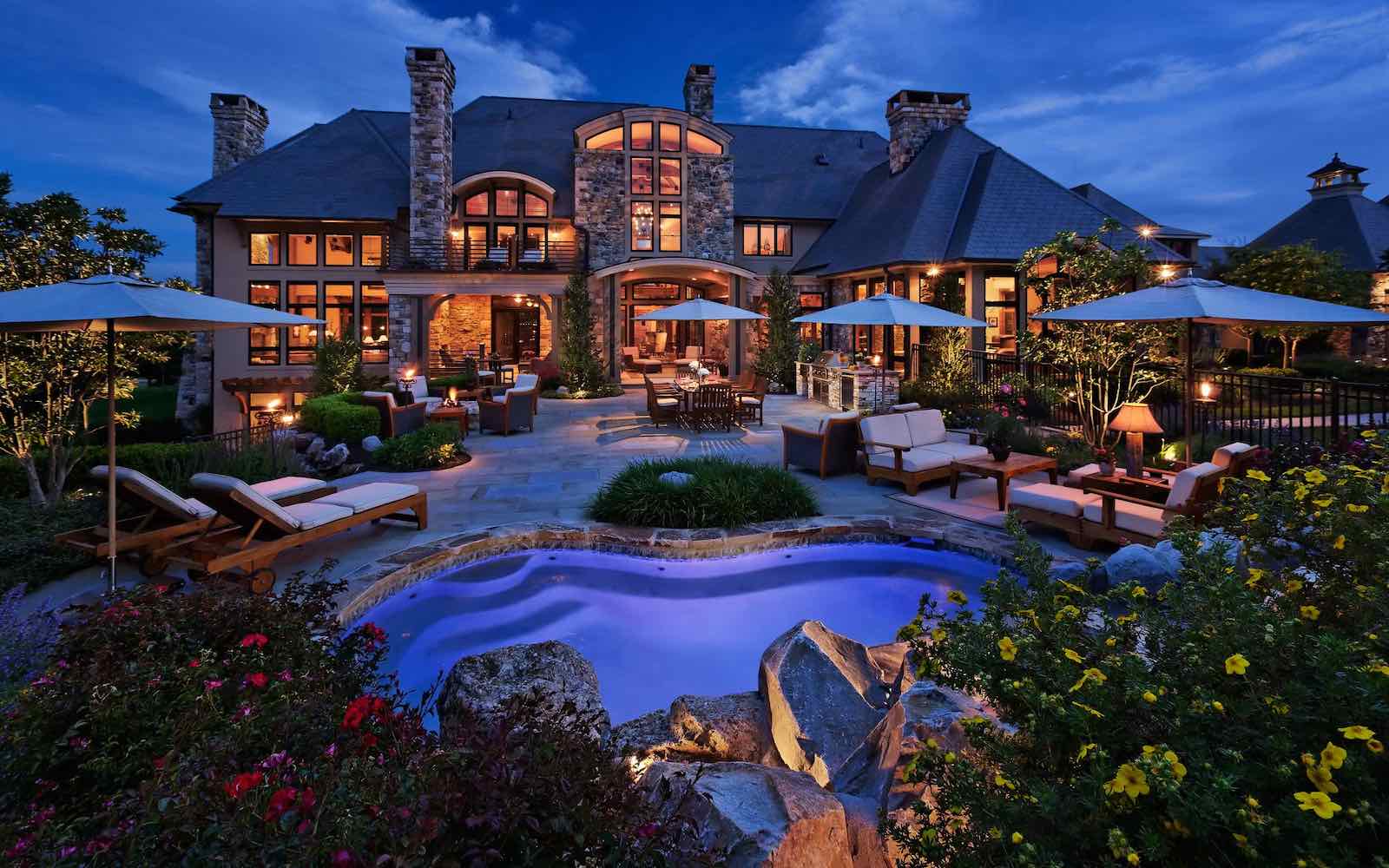
If you are building a luxury home or completing a major renovation, professional home automation offers advantages that are difficult to achieve through individual product installations.
Early technology planning allows wiring, equipment locations, lighting controls, speaker placement, networking, motorized shades, and other infrastructure to be incorporated into the construction process.
Even if you do not intend to install every automation feature immediately, preparing the infrastructure can make future additions easier and potentially reduce the need to disturb finished surfaces.
Security and Privacy Considerations
Connected devices require appropriate security measures to protect the home network and personal information.
With DIY home automation, homeowners are generally responsible for managing passwords, software updates, device permissions, and network security.
A professional integrator can help establish a more organized approach to network configuration, secure remote access, equipment management, and system maintenance.
No connected system is completely immune to security risks, but thoughtful planning and ongoing maintenance can help reduce unnecessary vulnerabilities.
Professional Installation and Ongoing Support
Installing smart devices is only one part of creating a connected home.
Configuration, troubleshooting, software updates, equipment compatibility, and future upgrades can all require attention over time.
With DIY automation, these responsibilities generally fall on the homeowner.
Professional home automation provides access to experienced technology specialists who understand how the different systems are designed to work together.
As your technology needs change, a professional integrator can evaluate the existing system and recommend appropriate upgrades rather than simply adding more devices.
Is Professional Home Automation More Expensive?
Professional home automation typically requires a greater initial investment than purchasing individual smart home products.
However, the comparison should extend beyond the cost of the equipment.
Professional automation includes system design, infrastructure planning, installation, programming, customization, integration, and support options.
For larger homes with multiple technology systems, professional planning can also help reduce unnecessary equipment purchases, compatibility problems, and costly infrastructure changes.
Homeowners should consider the long-term functionality and usability of the system rather than focusing exclusively on the initial purchase price.
When Does DIY Home Automation Make Sense?
DIY home automation can be a practical option for homeowners who:
- Want to automate a few basic household functions.
- Enjoy installing and configuring technology themselves.
- Have relatively simple networking requirements.
- Are comfortable managing multiple applications.
- Have limited integration requirements.
- Prefer a smaller initial investment.
For straightforward applications, consumer smart home products can provide useful functionality without requiring a comprehensive automation system.
When Should You Consider Professional Home Automation?
Professional home automation is particularly valuable when you want to integrate technology throughout an entire property.
It may be the better approach if you are:
- Building a custom luxury home.
- Completing a major home renovation.
- Managing technology across a large or multi-level property.
- Installing whole house lighting control.
- Integrating motorized shades throughout your home.
- Designing a custom home theater or media room.
- Creating sophisticated indoor and outdoor entertainment spaces.
- Looking for reliable networking and enhanced WiFi.
- Planning a system that can expand over time.
- Seeking a simplified, centralized control experience.
The more technology you want to incorporate, the more important comprehensive system design becomes.
A Smart Home Should Make Your Life Easier
The purpose of home automation is not to fill your property with more technology. It is to make your home more comfortable, convenient, functional, and enjoyable.
A professionally integrated system should allow homeowners, family members, and guests to interact with technology without needing to understand the complicated infrastructure behind it.
When lighting, entertainment, shades, climate, networking, and other systems work together, sophisticated technology becomes a natural part of everyday living.
Experience the Benefits of Professional Home Automation With GMI Automation
GMI Automation specializes in designing and installing sophisticated home automation systems for luxury homes throughout New Jersey.
From whole house lighting control, motorized shades, and enterprise-grade networking to custom home theaters, outdoor entertainment, security, and integrated audio and video, we develop technology solutions around the unique requirements of your home.
Whether you are building a new luxury residence, renovating an existing property, or looking to replace a collection of independent smart home devices with a professionally integrated system, GMI Automation can help create a more connected and intuitive living environment.
Contact GMI Automation to discuss a customized home automation solution designed around your lifestyle today, with the flexibility to accommodate your technology needs tomorrow.