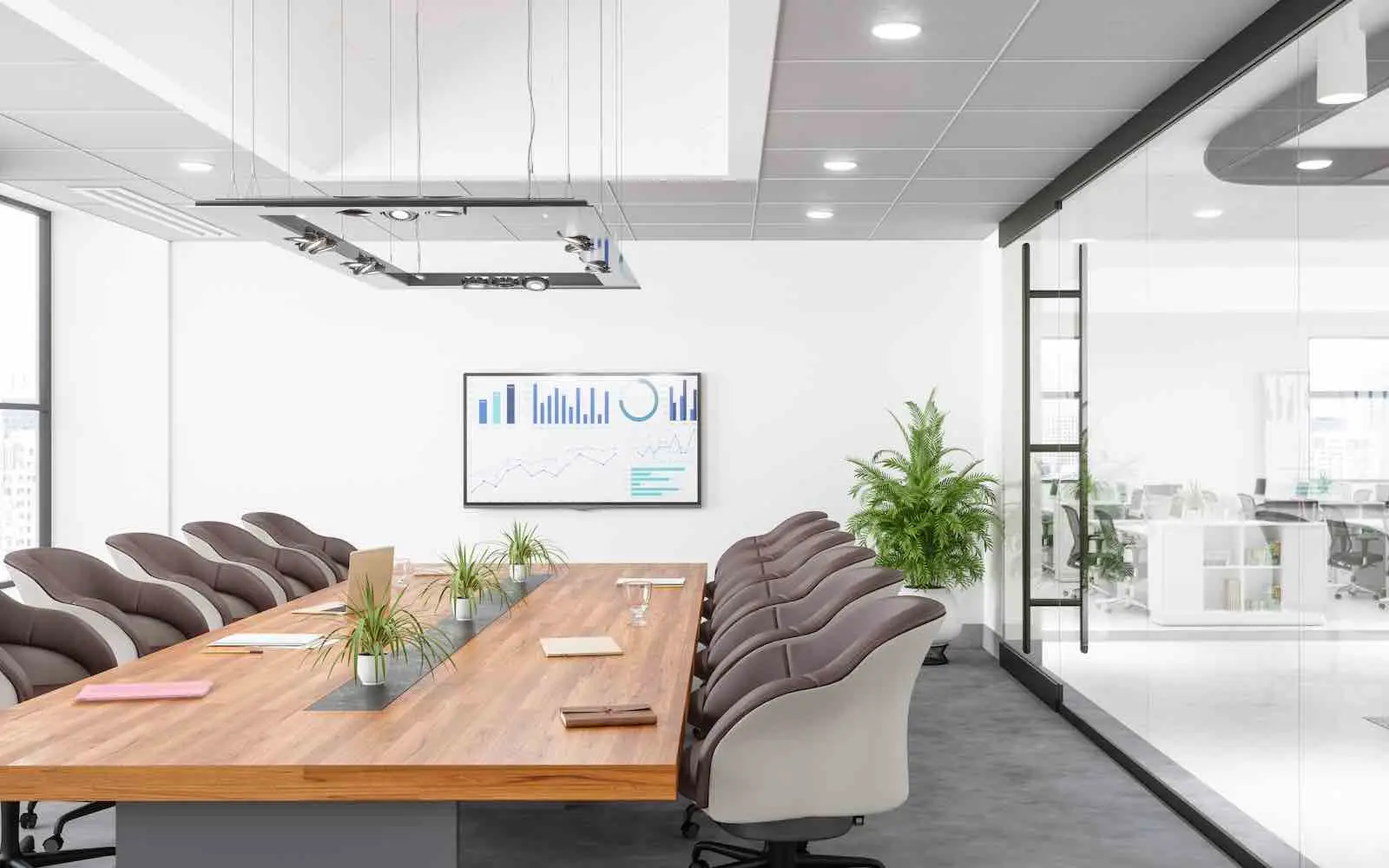
Conference rooms are where decisions are made, deals are negotiated, and teams collaborate. Yet many businesses underestimate the importance of properly designing these spaces for audio and video clarity. Poor sound, lagging video, and unreliable connectivity don’t just create frustration, they reduce productivity and can even impact a company’s professional image. In today’s hybrid work environment, conference room performance matters more than ever.
Audio Clarity Is More Important Than Video
When it comes to virtual meetings, audio quality is actually more critical than video resolution. Participants can tolerate slightly less-than-perfect visuals, but unclear audio quickly derails communication.
Common audio problems include:
- Echo and reverberation
- Uneven microphone pickup
- Background noise
- Volume inconsistencies
- Poor speaker placement
Properly outfitted conference rooms use strategically placed microphones, acoustic treatments, and calibrated speaker systems to ensure every participant, in-room and remote, hears clearly and consistently.
Proper Microphone Placement Changes Everything
Microphones should never be an afterthought. Ceiling microphones, beamforming arrays, and table-mounted solutions each serve different room types and layouts. Selecting the right solution ensures that voices are captured evenly without requiring participants to lean toward a single device.
In larger rooms, multiple microphone zones may be required to avoid dead spots and ensure clear pickup from anywhere in the space.
Camera Positioning and Framing Matter
Video clarity isn’t just about resolution. Camera placement, angle, and framing significantly impact how professional your meetings look.
A well-designed system includes:
- Correct camera height and positioning
- Wide-angle or multi-camera solutions when needed
- Intelligent tracking for presenters
- Proper lighting integration
This ensures remote participants feel included rather than disconnected.
Acoustics Play a Critical Role
Hard surfaces like glass walls, tile floors, and exposed ceilings create echo and distortion. Without acoustic planning, even high-end equipment can perform poorly.
Professional conference room design often includes:
- Acoustic panels
- Soft surface integration
- Strategic speaker placement
- Room-specific calibration
The goal is to create balanced, controlled sound that enhances speech clarity.
Reliable Connectivity Is Non-Negotiable
Audio and video clarity depend heavily on the underlying network. Dropped calls, lag, or frozen screens are often network-related rather than equipment failures.
Enterprise-grade networking ensures:
- Stable video conferencing performance
- Adequate bandwidth allocation
- Secure remote collaboration
- Seamless integration with platforms like Zoom and Microsoft Teams
A properly designed network infrastructure supports the AV system rather than limiting it.
Simplicity Reduces User Error
Even the best AV systems fail if they are complicated to operate. Conference rooms should offer simple, intuitive control, ideally through a single interface.
A unified control system allows users to:
- Start meetings with one touch
- Adjust volume quickly
- Switch inputs seamlessly
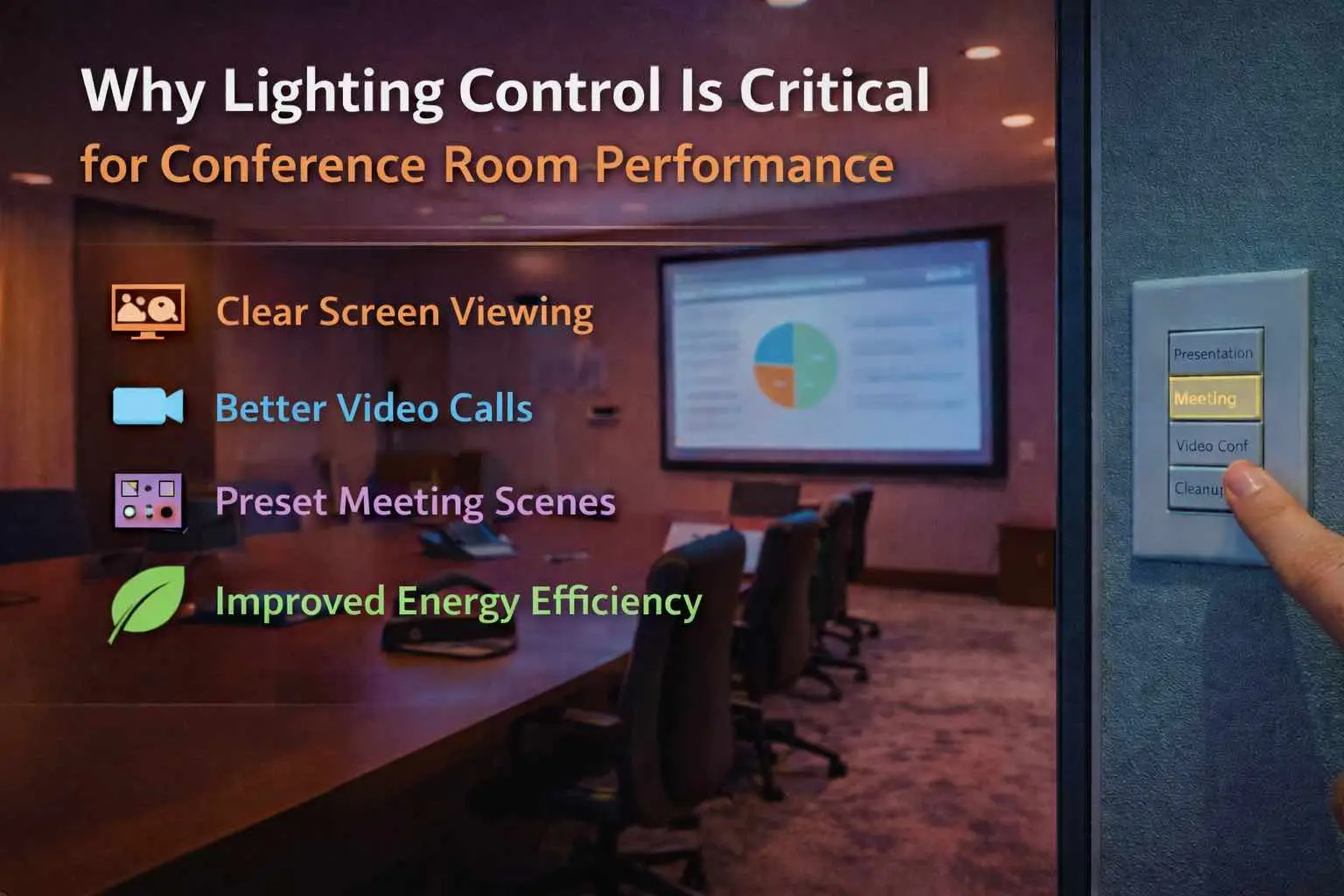
- Control lighting and shades if needed
This eliminates wasted time and improves meeting efficiency.
First Impressions Matter
For client-facing meetings, your conference room reflects your brand. Clear audio, sharp video, and smooth operation communicate professionalism and attention to detail. Technical issues, on the other hand, can undermine credibility.
Investing in proper design signals that your organization values clear communication and operational excellence.
Planning Makes the Difference
Outfitting a conference room properly requires more than selecting equipment. It involves understanding room size, layout, lighting, acoustics, and workflow. When designed thoughtfully, conference rooms become assets that support productivity rather than obstacles that slow it down.
f your organization is planning a new conference room or upgrading an existing space, don’t leave audio and video clarity to chance. GMI Automation designs and installs professionally engineered conference room AV systems that deliver clear communication, seamless control, and long-term reliability. Contact GMI Automation today to schedule a consultation and create a meeting space that performs as professionally as your team does.