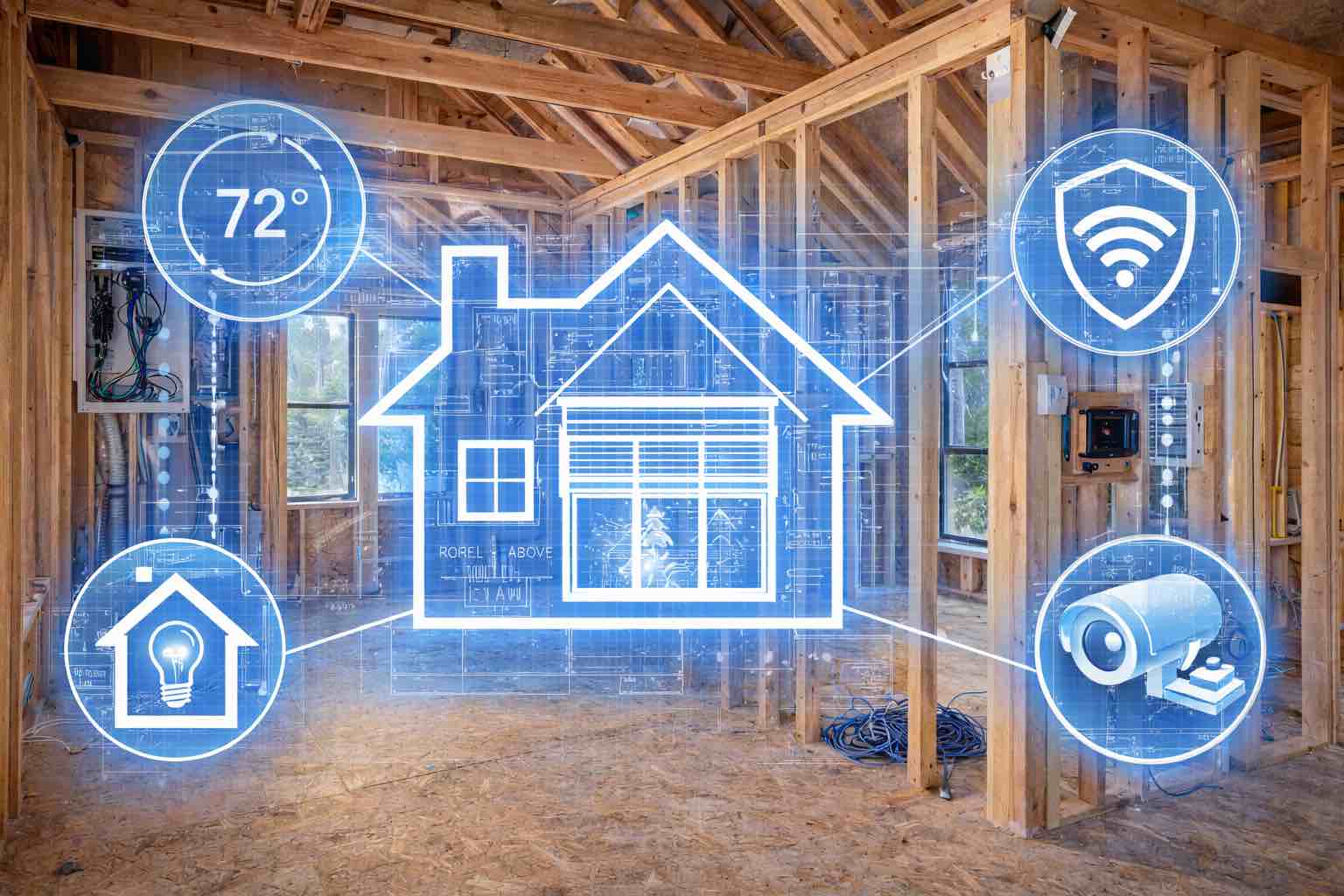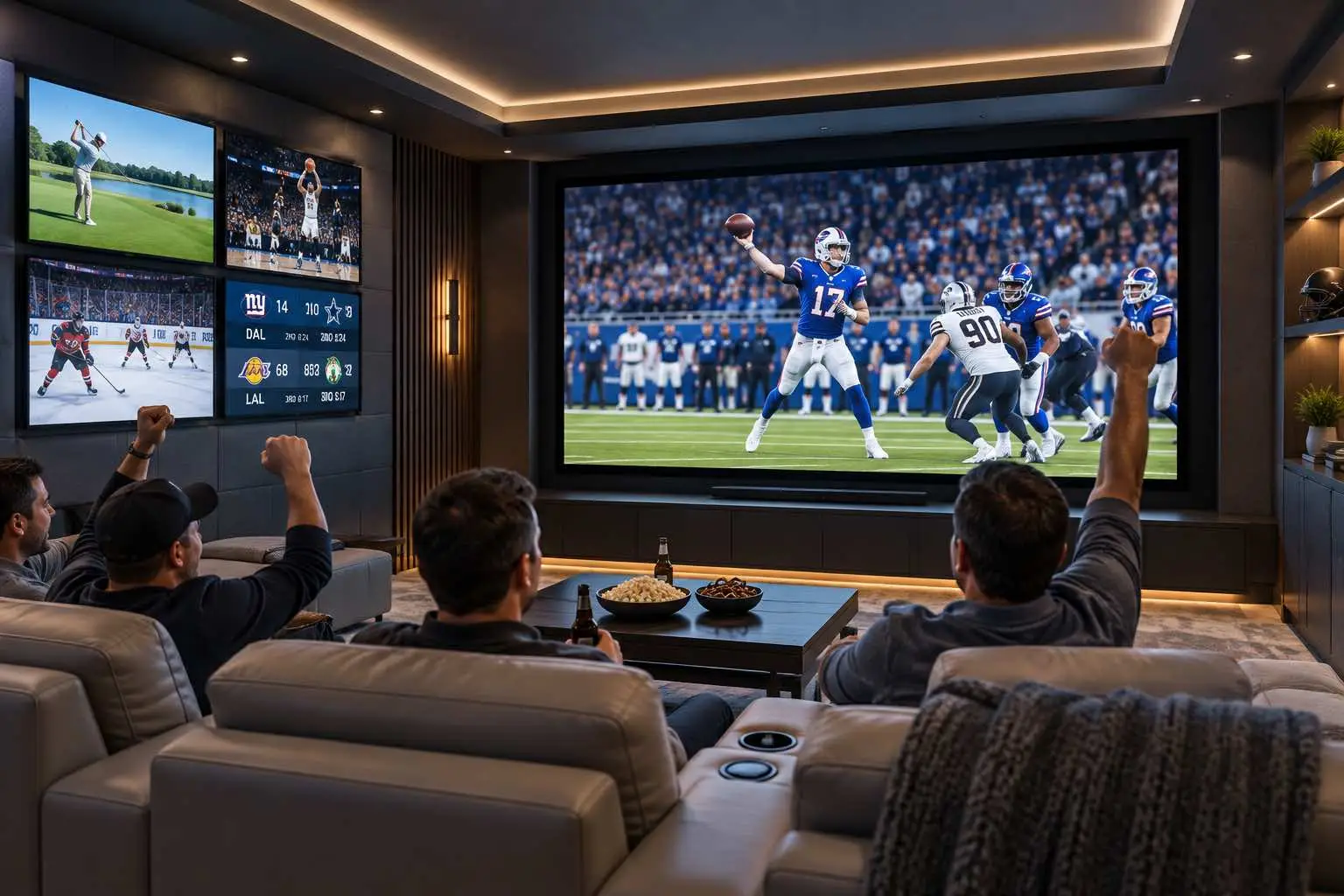
From Wi-Fi light switches to app-controlled thermostats, it’s easy to add “smart” features to almost any home. But when it comes to new construction, simply adding devices isn’t enough.
A truly intelligent home is designed around automation, not individual gadgets. The difference comes down to planning, infrastructure, and integration—and making the right decisions before the walls go up.
Smart Devices vs. True Home Automation
Smart devices operate independently. Each one usually relies on its own app, wireless connection, and cloud service. While they offer convenience, they often don’t communicate well with one another.
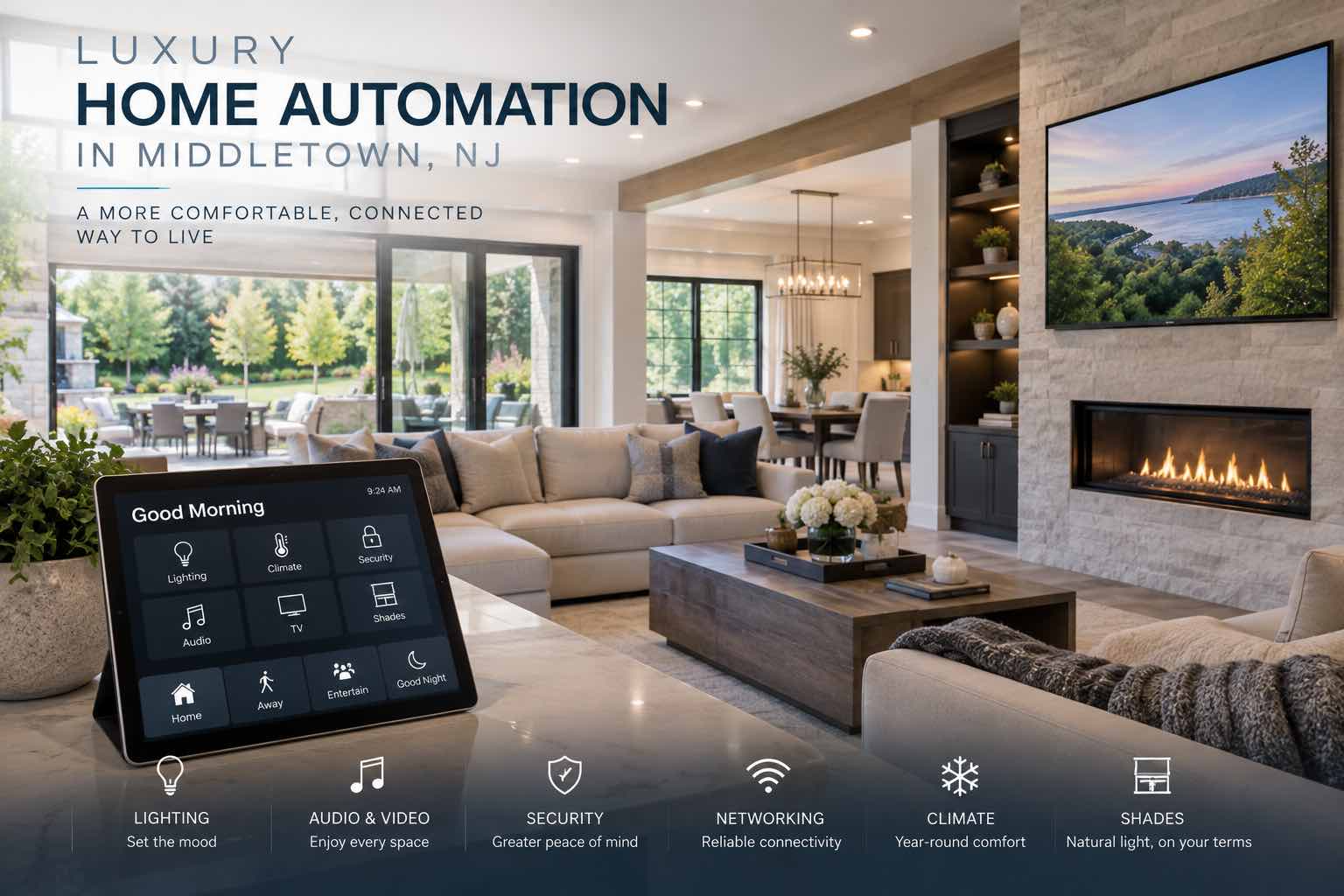
Home automation, on the other hand, is a system. Lighting control, climate, shades, audio, video, security systems and networking are designed to work together through a unified platform. Instead of controlling devices, you control the home as a whole.
Why New Construction Is the Best Time to Plan Automation
New construction offers a unique opportunity to build automation into the home’s foundation. When systems are planned early, everything performs better and looks cleaner.
Designing for automation during construction allows for:
- Structured wiring throughout the home
- Centralized equipment and rack rooms
- Proper network infrastructure
- Hidden speakers, sensors, and controls
- Seamless integration with architecture and interior design
Trying to add these elements later often means compromises, visible equipment, and higher costs.
Infrastructure Matters More Than Devices
The most important part of an automated home is what you don’t see. Wiring, networking, and system layout determine how reliable and scalable your home will be.
A home designed for automation includes:
- Enterprise-grade networking
- Hardwired connections for key systems
- Room-by-room wiring for future expansion
- Space for centralized equipment
- Power, cooling, and ventilation planning
This infrastructure ensures your home can evolve as technology changes.
Unified Control Creates a Better Living Experience
Homes built around automation use a single control platform rather than multiple apps. This creates consistency and simplicity.
With true automation, your home can:
- Adjust lighting and shades automatically
- Respond to occupancy and time of day
- Coordinate climate and energy usage
- Trigger scenes with one touch or automatically
- Provide reliable performance without daily adjustments
Everything feels intentional, responsive, and effortless.
Future-Proofing Your Home
Smart devices change quickly. Platforms, apps, and hardware can become outdated in just a few years. Automation systems designed into new construction are built to last.
A properly designed system allows you to:
- Upgrade components without re-wiring
- Add new rooms or features easily
- Integrate future technologies
- Avoid constant replacement of consumer devices
Future-proofing starts during the design phase, not after move-in.
Collaboration With Builders and Designers
The best automation projects happen when integrators work alongside builders, architects, and interior designers. This collaboration ensures technology enhances the home rather than competing with it.
Automation can be integrated cleanly into:
- Lighting plans
- Electrical layouts
- Millwork and cabinetry
- Ceiling and wall designs
- Outdoor spaces
When planned correctly, technology becomes invisible.
Build a Home That Works as a System
Designing a new construction home for automation means thinking beyond smart gadgets. It means creating a connected environment where systems communicate, adapt, and respond automatically.
If you’re building a new home and want technology that enhances daily life without clutter or complexity, GMI Automation can help design an integrated system that works from day one—and continues to perform for years to come.